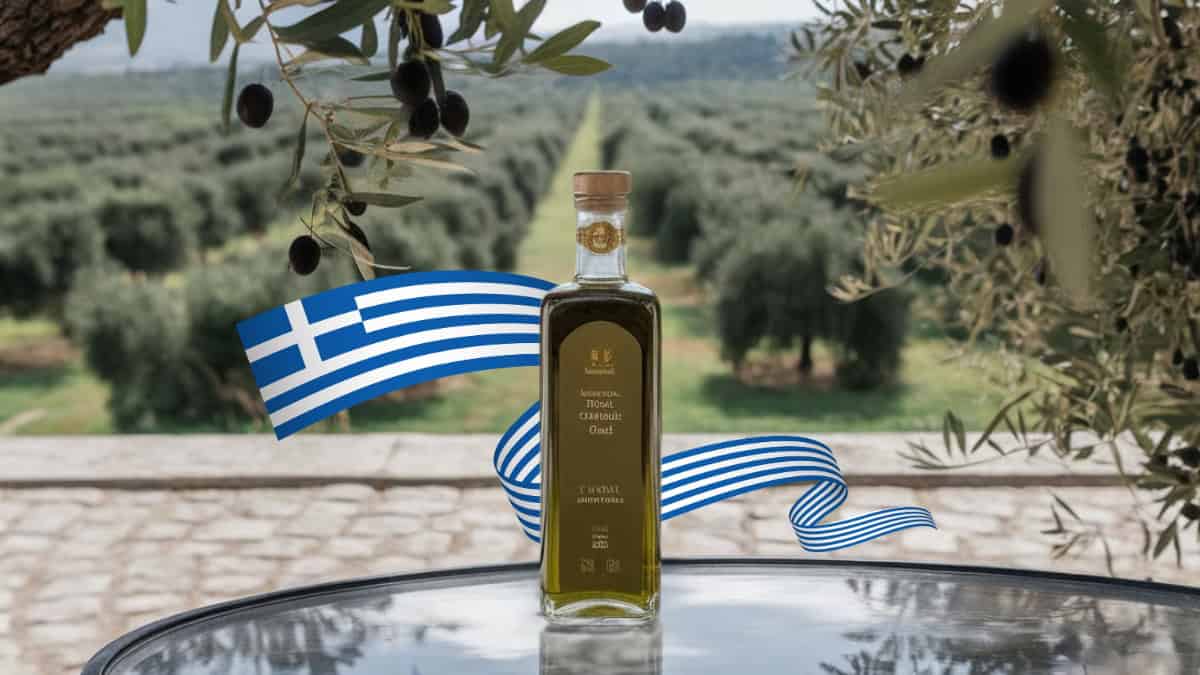
Authentic Greek Olive Oil: Spotting Quality & Avoiding Fakes
In the world of culinary delights, few ingredients command as much reverence and mystique as extra virgin olive oil. And when it comes to the pinnacle of quality, authentic Greek olive oil stands in a league of its own. Greece has long been celebrated for producing some of the finest olive products globally, a tradition steeped in history and nurtured by ideal climatic conditions. However, the sheer size of the market means that not all products bearing the Greek label live up to the promise of excellence. For the discerning consumer, separating the truly exceptional from the merely adequate, or worse, the outright fake, can be a daunting task. This article will guide you through the essential characteristics of premium Greek olive oil, empowering you to make informed choices and savor the true taste of Greece.
A Legacy Rooted in History and Culture
The story of olive oil in Greece is as old as civilization itself. Archaeological evidence suggests that the cultivation of olive trees first began on the Greek island of Crete as far back as 4500 BC, with the earliest surviving olive oil amphorae dating to 3500 BC. This deep history highlights the olive tree's integral role in ancient Greek culture. The goddess Athena was believed to have gifted the olive tree to Athens, a symbol of peace and prosperity. Ancient Greeks carried olive branches in rituals, symbolizing purity and freshness, and according to Aristotle, destroying an olive tree was a crime punishable by death.
Today, this ancient legacy continues to thrive. Greece is not only the world's 3rd largest producer of olive oil, contributing roughly 15% of the total global production, but it also holds the record for the highest per-capita olive oil consumption, with Greeks consuming over 5 gallons (18kg) per person annually. What truly sets Greece apart from other producing nations is an astonishing fact: 70-80% of all olive oil produced in the country qualifies as premium-quality extra virgin. This commitment to excellence is largely attributed to specific olive varieties and meticulous production methods.
The principal regions renowned for their exceptional olive oil include the Peloponnese, Crete (especially areas like Kolymvari in North-West Crete), and Messinia. These regions benefit from unique microclimates and traditional farming practices that contribute to the distinctive quality of their oils. For more insights into Greece's unparalleled position in the global olive oil market, explore Greece: The Global Leader in Premium Extra Virgin Olive Oil.
The Hallmarks of True Extra Virgin Greek Olive Oil
Identifying high-quality authentic Greek olive oil requires understanding the key characteristics that define it. It’s not just about a label; it’s about the journey from tree to bottle.
- The Koroneiki Olive: The Heart of Greek EVOO Excellence: When you hear about premium Greek EVOO, chances are it's made from Koroneiki olives. This small, potent olive variety is a cornerstone of Greek olive oil production, renowned for its rich nutrient profile, including a high concentration of polyphenols. Many top-tier Greek olive oils are single-varietal, meaning they use only Koroneiki olives, resulting in a consistent and distinct flavor profile.
- Early Harvest & Cold Extraction: The pursuit of quality begins with the timing of the harvest. The best oils are made from early-harvested, still unripe green olives. These olives, though yielding less oil, provide a more intense flavor and higher polyphenol content. Crucially, the oil must be extracted within 24 hours of picking using the "first cold press" or "cold extraction" method. This process ensures that the olives are pressed at temperatures below 27°C (80°F), preserving their delicate aromas, flavors, and precious nutrients like antioxidants and polyphenols.
- Polyphenol Powerhouse: High-quality Greek extra virgin olive oil is exceptionally rich in polyphenols. These natural antioxidants are responsible for the oil's pleasant bitterness and herbaceous notes, and they contribute significantly to its health benefits. The higher the polyphenol content, the more robust and peppery the finish often is.
- Low Acidity: A key indicator of quality is low acidity. Premium greek olive oil typically boasts an acidity level often below 0.5%, and for some truly exceptional, unrefined varieties, it can be as low as 0.3%. Lower acidity indicates healthier olives and careful processing.
- Sensory Profile – Color, Aroma, and Taste:
- Color: Expect an intense green to golden-green hue. This vibrant color is a visual testament to the oil's freshness and high chlorophyll content.
- Aroma: Authentic Greek EVOO offers a complex bouquet. Lift the bottle and inhale notes of green fruit, fresh-cut grass, artichokes, green bananas, tomatoes, and sometimes even dried nuts.
- Taste: The taste is a balanced symphony – not too sweet, not overly bitter, but with a medium fruitiness and a distinct, often delayed, bitterness and a characteristic peppery finish at the back of the throat. This rich, nuanced flavor is what truly sets it apart.
- Unrefined and Unfiltered: Many premium Greek extra virgin olive oils, especially those from small family estates, are unrefined and unfiltered. This means the oil retains tiny particles of olive pulp, giving it a thicker, smoother texture and often a slightly cloudy appearance, further enhancing its robust flavor and nutritional value.
- Organic Certifications: Look for organic certifications, particularly from regions like Kolymvari or Messinia. These certifications signify that the olives were grown without chemical fertilizers, pesticides, or herbicides, ensuring a purer product.
To dive deeper into the specific methods and varietals that make Greek EVOO superior, read Koroneiki & Cold Press: The Secrets of Greek EVOO Excellence.
Navigating the Market: How to Spot an Authentic Bottle
With a deeper understanding of what constitutes quality, you're better equipped to navigate the market and avoid low-quality oils or outright fakes. Here’s your actionable guide:
- Read the Label Meticulously: This is your first line of defense.
- "Product of Greece": Ensure it clearly states "Product of Greece" or "Origin: Greece," not just "Bottled in Greece" (which could mean olives from other countries were used).
- "Extra Virgin Olive Oil": Confirm it is classified as "Extra Virgin Olive Oil" (EVOO). Avoid "light," "pure," or "virgin" olive oil, as these are of lower quality or highly refined.
- Olive Varietal: Look for "100% Koroneiki" or "Single Varietal Koroneiki."
- Harvest Date & Best Before Date: A harvest date is a strong indicator of freshness. Aim for oils from the most recent harvest. The best-before date should ideally be 18-24 months from the bottling date.
- Acidity Level: Check for the acidity percentage (e.g., < 0.5% or < 0.3%).
- "First Cold Pressed" or "Cold Extracted": These terms guarantee the quality of the extraction method.
- Producer and Region: Reputable producers will proudly display their family estate name and the specific region of origin (e.g., "Kolymvari, Crete," "Messinia, Peloponnese").
- Certifications: Look for organic certifications (e.g., USDA Organic, EU Organic Leaf) if that is important to you.
- Packaging Matters: High-quality olive oil is sensitive to light and heat. Always choose bottles made of dark glass or opaque tins, which protect the oil from degradation. Clear bottles, while visually appealing, allow light to diminish the oil's quality over time.
- Price Point: Be realistic about pricing. Producing authentic, high-quality extra virgin olive oil is an labor-intensive process. If a price seems too good to be true, it likely is. Premium Greek EVOO will command a higher price than blended or lower-grade oils.
- Producer Reputation: Research the brand or producer. Many top Greek olive oils come from small family businesses with generations of expertise. Online reviews and direct websites can offer valuable insights.
- Trust Your Senses (if possible): While not always feasible before purchase, once you have the oil, a quick taste test can confirm its quality.
- It should smell fresh and fruity, not greasy or rancid.
- It should have a distinct, pleasant bitterness and a peppery kick at the back of your throat. This "burn" is a sign of high polyphenol content.
- It should not taste bland, greasy, or like crayons/nuts (signs of rancidity).
Beyond the Bottle: Storing and Savoring Your Greek EVOO
Once you've invested in a bottle of exquisite authentic Greek olive oil, proper storage is crucial to maintain its exceptional qualities. Keep your olive oil in a cool, dark place, away from direct sunlight and heat sources (like stovetops). Always ensure the bottle is tightly sealed to prevent oxidation. While olive oil doesn't "go bad" in the traditional sense, its quality and flavor diminish over time. It's best consumed within 18-24 months of bottling, and ideally within a few months once opened.
Savoring your Greek EVOO is where the true joy lies. Its robust flavor makes it ideal as a finishing oil – drizzled over salads, grilled vegetables, fresh fish, pasta, or soups. It's superb for dipping crusty bread, allowing its complex notes to shine. While it can be used for light cooking, remember that high heat can degrade its delicate flavors and some of its nutritional compounds. For a truly authentic experience, use it generously in traditional Greek dishes, embracing its role as a healthy and flavorful cornerstone of the Mediterranean diet.
The journey to finding authentic Greek olive oil is a rewarding one, unlocking a world of flavor, history, and unparalleled health benefits. By understanding its historical roots, recognizing its distinct quality markers, and applying smart shopping strategies, you can confidently select a truly premium product. Embrace the vibrant taste of Greece and elevate your culinary creations with this golden elixir.
