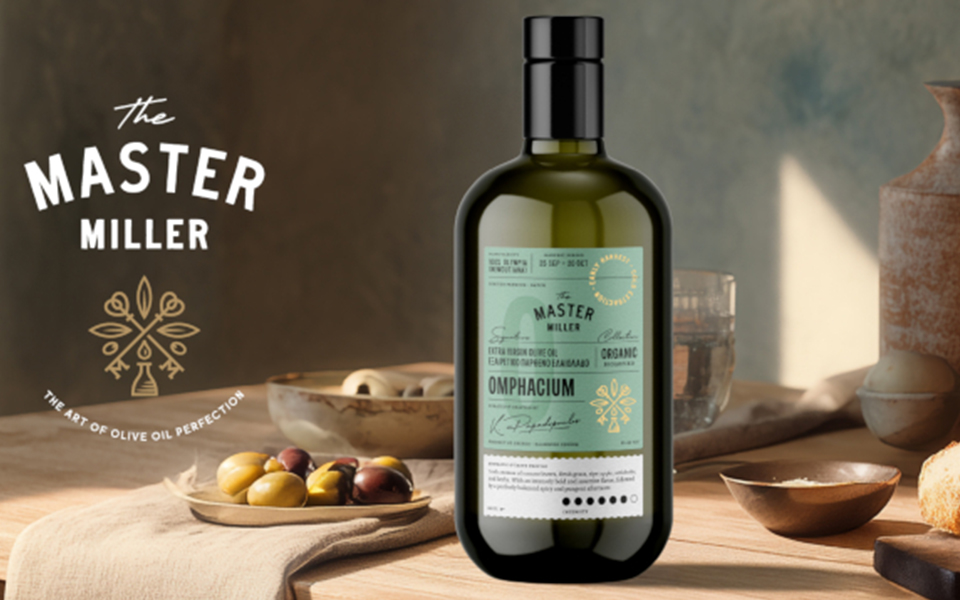
Greece: The Global Leader in Premium Extra Virgin Olive Oil
For millennia, the sun-drenched groves of Greece have nurtured a liquid gold revered for its taste, health benefits, and cultural significance. While olive oil is a staple across the Mediterranean, Greece stands apart, not just as a significant producer, but as an undisputed global leader in the realm of premium extra virgin olive oil. This isn't merely a claim; it's a fact rooted in ancient tradition, unparalleled quality, and an unwavering commitment to excellence that sees 70-80% of all authentic Greek olive oil qualify as premium-grade EVOO.
From the mythical origins attributed to the goddess Athena to its central role in modern Greek life, Greek olive oil is more than just a food product; it's a legacy. But what exactly elevates it to such a prestigious position on the world stage? Let's delve into the rich history, distinctive characteristics, and profound impact of this extraordinary culinary treasure.
A Legacy Steeped in Golden Nectar: The Ancient Roots of Greek Olive Oil
The story of Greek olive oil is intertwined with the very fabric of civilization. Archaeological evidence suggests that the earliest cultivation of olive trees took root on the Greek island of Crete as far back as 4500 BC. The discovery of olive oil amphorae dating to 3500 BC further confirms the antiquity of this vital commodity in the region. Long before commercial giants, the Greeks understood the profound value of the olive tree and its precious yield.
In classical Athens, the olive tree wasn't just a plant; it was considered a divine gift from Athena, the goddess of wisdom and warfare, to her namesake city. Its branches became symbols of purity, freshness, and peace, carried during sacred rituals. So vital was the olive tree to ancient Greek culture that, according to Aristotle, destroying one was a capital offense. This deep-seated reverence for the olive and its oil laid the foundation for a tradition of quality and respect that continues to define Greek olive oil today.
This enduring connection is perhaps best reflected in Greece's astounding per-capita consumption – an astonishing 5 gallons (18kg) of olive oil per person annually, the highest in the world. It speaks volumes about the integral role this "golden nectar" plays in the daily lives and health of the Greek people, a testament to centuries of tradition and an inherent trust in its unparalleled quality.
The Unrivaled Quality of Greek Extra Virgin Olive Oil
While many nations produce olive oil, Greece's commitment to extra virgin quality is unique. As the third-largest producer globally, contributing around 15% of the world's total, Greece truly shines because the vast majority of its output — a remarkable 70-80% — achieves the stringent standards of premium extra virgin status. This distinction is largely due to specific olive varieties, traditional cultivation methods, and meticulous processing techniques.
The Reign of the Koroneiki Olive
At the heart of much of Greece's premium EVOO lies the Koroneiki olive. This small, hardy variety, native to Greece, is celebrated for its exceptional quality and nutrient richness. Oils derived solely from Koroneiki olives are often characterized by:
- High Polyphenol Content: These natural antioxidants contribute to the oil's distinct, pleasant bitterness and herbaceous notes, alongside significant health benefits.
- Intense Aromas: Expect captivating hints of green fruit, fresh-cut grass, artichoke, green banana, and even tomato leaf.
- Balanced Flavor Profile: A harmonious blend of medium fruitiness with a light, often delayed, peppery finish that leaves a fantastic aftertaste.
Beyond Koroneiki, regions like Kolymvari in North-West Crete and Messinia in the Peloponnese are renowned for producing exceptionally high-quality olive oils, often utilizing traditional methods passed down through generations of family businesses.
The Art of First Cold Press Extraction
The journey from olive to premium EVOO is a delicate one. For the best Greek olive oil, olives are typically harvested early, while still unripe and green, ensuring maximum flavor and polyphenol content. The crucial step that follows is the "first cold press" or "cold extraction" method. This technique involves:
- Speed: Olives are pressed within 24 hours of picking to prevent oxidation and preserve freshness.
- Low Temperature: The extraction process is carefully controlled to never exceed 27°C (80°F). This preserves the oil's delicate aromas, flavors, and heat-sensitive nutrients like polyphenols.
- Minimal Processing: Premium Greek EVOOs are often unrefined and unfiltered, retaining their natural golden-green hue, thick, smooth texture, and full-bodied character.
The result of such meticulous care is an oil with remarkably low acidity, often as low as 0.3% to 0.5%, significantly below the 0.8% maximum for extra virgin classification. This low acidity is a hallmark of freshness and superior quality.
What Makes a Premium Greek EVOO Truly Exceptional?
With a vast market, it's easy to be overwhelmed. However, recognizing truly exceptional Greek olive oil involves looking for specific indicators that signify its premium status and the dedication of its producers.
Key Indicators of Superior Quality:
- Olive Variety: While other varieties exist, a focus on single-varietal Koroneiki or blends predominantly featuring it often guarantees a high standard.
- Acidity Level: Seek out oils with an acidity level of 0.5% or lower. The lower the percentage, the fresher and more carefully produced the oil generally is.
- Harvest Date & Best Before Date: Freshness is paramount. A recent harvest date (within the last 12-18 months) is ideal.
- Cold Extraction Method: Labels should explicitly state "first cold pressed" or "cold extracted."
- Origin & Region: Look for "Product of Greece" and specific regions like Crete (e.g., Kolymvari), Messinia, or other areas of the Peloponnese. Geographical indications like PDO (Protected Designation of Origin) or PGI (Protected Geographical Indication) are strong quality assurances.
- Organic Certification: Many high-quality Greek olive oils are made from olives grown without chemical fertilizers, pesticides, or herbicides, carrying organic certifications.
- Sensory Profile Descriptions: A good producer will often describe the oil's aroma and taste notes (e.g., "fruity," "peppery finish," "aroma of green apples").
- Packaging: Premium EVOO should always be stored in dark glass bottles or opaque tins to protect it from light, which can degrade its quality and beneficial compounds.
- Producer Transparency: Many exceptional Greek olive oils come from small family estates, often working in collaboration with local farmers. Brands that share their story and process indicate pride and quality.
By paying attention to these details, you can distinguish authentic, high-quality Greek olive oil from lesser alternatives. As the market can sometimes present cheaper, lower-quality options disguised as premium, an informed choice is your best defense against counterfeits and subpar products.
The Health and Culinary Advantages of Greek EVOO
Beyond its exquisite taste, Greek olive oil is a cornerstone of the world-renowned Mediterranean diet, celebrated for its profound health benefits. Its rich concentration of polyphenols acts as powerful antioxidants and anti-inflammatory agents, contributing to cardiovascular health, protecting cells from damage, and potentially reducing the risk of chronic diseases. The high content of monounsaturated fatty acids, particularly oleic acid, further enhances its reputation as a heart-healthy fat.
In the culinary world, premium Greek EVOO is incredibly versatile. Its balanced flavor — not overly sweet or bitter — with a fantastic aftertaste makes it ideal for a myriad of uses:
- Finishing Oil: Drizzle generously over salads, grilled fish, roasted vegetables, soups, and pasta dishes to enhance flavors.
- Dipping: A simple yet profound pleasure, perfect with crusty bread.
- Marinades & Dressings: Forms the base of vibrant marinades for meats and poultry, and essential for classic vinaigrettes.
- Sautéing & Light Frying: While best used raw for maximum health benefits, its relatively high smoke point makes it suitable for gentle cooking.
- Baking: Some dessert recipes benefit from its subtle fruity notes, offering a healthier alternative to butter.
The intensity of its aroma, evoking everything from green fruits and artichokes to freshly cut grass and tomatoes, allows it to elevate even the simplest dishes, transforming everyday meals into gastronomic experiences.
Greece's Global Impact and Consumption Culture
Greece's position as a global leader in premium EVOO is not just about production volume; it's about the inherent quality that defines its output. While other countries may produce more overall olive oil, Greece's commitment to ensuring that the vast majority of its production meets the highest "extra virgin" standards, often from small family estates collaborating with local farmers, sets it apart.
This dedication ensures that authentic Greek olive oil from regions like Crete and the Peloponnese reaches markets worldwide, carrying with it a legacy of purity and excellence. The fact that Greeks themselves consume more olive oil per person than any other nation underscores their deep trust and appreciation for this staple, a testament to its quality and health benefits.
Conclusion
Greece's journey as a global leader in premium extra virgin olive oil is a story of tradition, meticulous care, and unwavering quality. From the ancient reverence for the olive tree to the modern scientific understanding of the Koroneiki olive's health benefits and the precision of the cold extraction method, every step reflects a commitment to excellence.
Choosing Greek olive oil means choosing a product steeped in history, packed with beneficial polyphenols, and bursting with a flavor profile that can transform any dish. It's an investment in both culinary pleasure and holistic well-being. So, when you reach for a bottle, look for the markers of true quality and experience the unparalleled taste and legacy of Greece's golden nectar – a testament to a nation that has perfected the art of liquid gold.
